

Why do we do personality tests?
Skills are important to execute a job. We all need to get on with each other and add value to the ultimate benefit of our end client.
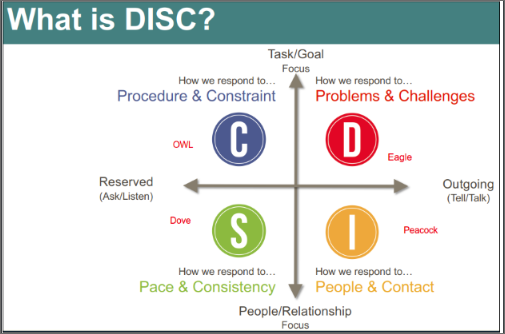
Many people have heard of the DiSC personality test. There is also another test that parallels exactly to that test- the DOPE Test.
DiSC – Dominance, Influence, Steady, Conscientious
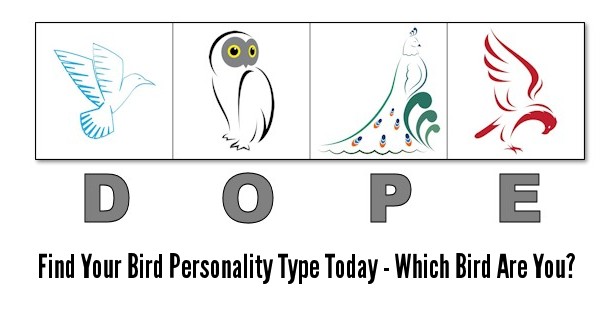
DOPE – Dove, Owl, Peacock, Eagle
What am I?
Struggling to pin down who or what you really are? The DOPE Bird Personality Test is the fun, useful, and straightforward tool you can add to your personal development toolbox without needing a psychologist. It cuts through the complexity of your characteristics, strengths, and motivations to give you clear, actionable insights.
Take the DOPE quiz here
ENTJ (Commander)
-
Strength: Once you commit to a change, your determination turns it into an automatic part of your routine
-
Struggle: Small shifts might feel insignificant when you’re focused on major achievements
-
Practice: Track how your micro-change improves your effectiveness in other areas – celebrate these ripple effects as real wins
ENTP (Debater)
-
Strength: You see endless creative possibilities for how to approach your change and aren’t afraid to try something unconventional
-
Struggle: Your excitement for new ideas can make it hard to stick with one approach long enough to see results
-
Practice: When you feel the urge to abandon your change for something shinier, get curious about what that restlessness is telling you
INFJ (Advocate)
-
Strength: You instinctively understand which changes will align with your deeper values and authentic self
-
Struggle: Perfectionist tendencies can make small changes feel not meaningful enough to matter
-
Practice: Each time you practice your change, reflect on how it serves something you genuinely care about

ISTP (Virtuoso)
-
Strength: Your practical problem-solving helps you identify changes that address real, concrete issues in your life
-
Struggle: You might lose interest once you’ve figured out the change, even if continuing would benefit you
-
Practice: Stay curious about what you’re discovering through this process – there’s always something new to learn
ISFP (Adventurer)
-
Strength: You’re deeply tuned into whether changes genuinely serve your well-being or just feel like “shoulds”
-
Struggle: External pressure to change can make you resistant, even to shifts that might help you
-
Practice: Check in with your authentic feelings about your change – honor what feels right and question what doesn’t
ESTP (Entrepreneur)
-
Strength: Your adaptability makes it natural to experiment with your approach and adjust as you learn
-
Struggle: Consistency can be challenging when new opportunities and experiences keep calling your name
-
Practice: Notice how your change affects your energy and mood throughout the day – use this awareness to stay motivated
-
ESFJ (Consul)
-
Strength: You understand how personal changes ripple out to benefit your relationships and communities
-
Struggle: Focusing on yourself can feel selfish when others seem to need your attention more
-
Practice: Notice how your change enhances your ability to care for others – this isn’t selfish, it’s sustainable
-
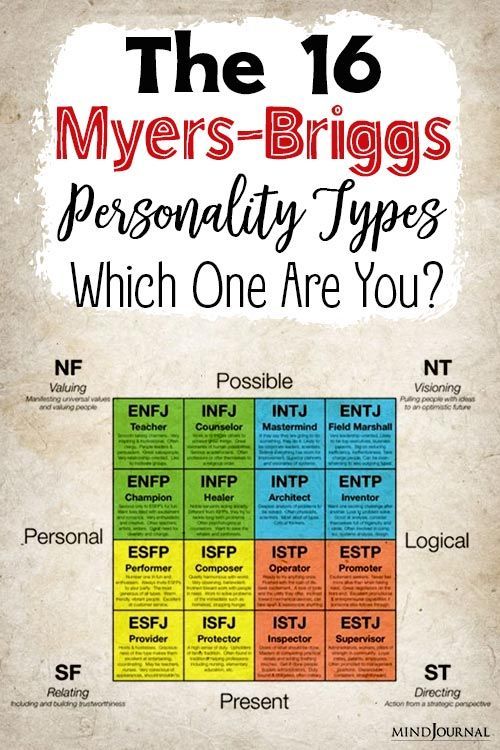
Myers-Briggs Personality Types
For each personality type, we’ll share one strength that helps with micro-reinvention, one struggle that might trip you up, and one thing to practice as you make small changes in your life.
Think of these as gentle insights, not rigid rules – your personality is just one piece of who you are, after all.
Take the Myers-Briggs quiz here
INTJ (Architect)
-
Strength: You see how small changes connect to bigger patterns, helping you spot which tweaks will create the most meaningful impact
-
Struggle: Incremental change can feel frustratingly slow when you’re used to planning complete transformations
-
Practice: Before you implement your change each day, pause and visualize how this small step connects to your long-term vision
INTP (Logician)
-
Strength: Your curiosity drives you to experiment with different approaches until you discover what truly works for you
-
Struggle: You can get stuck researching the perfect approach instead of actually trying things out
-
Practice: Notice when you’re overthinking your change – set a gentle “good enough” boundary and trust that you’ll learn by doing.

INFP (Mediator)
-
Strength: Your self-awareness guides you toward changes that truly resonate with who you’re becoming
-
Struggle: You might abandon changes when they start feeling routine or lose their initial spark
-
Practice: Pay attention to your inner response to your change – notice both resistance and flow without judgment
ENFJ (Protagonist)
-
Strength: Your natural focus on growth helps you embrace positive change as part of your journey
-
Struggle: You might prioritize everyone else’s development while putting your own changes on the back burner
-
Practice: Remember that taking care of yourself is taking care of others – reflect on how your change helps you show up better
ENFP (Campaigner)
-
Strength: Your optimism helps you see the exciting potential in even the smallest shifts
-
Struggle: Staying consistent gets tough when new interests and possibilities capture your attention
-
Practice: Connect with your deeper why – remind yourself what inspired this change in the first place
ISTJ (Logistician)
-
Strength: Your methodical approach means that once you commit to a change, you’ll follow through with impressive consistency
-
Struggle: You might hesitate to try changes that don’t have clear, proven methods or guaranteed results
-
Practice: Trust your own experience as valid data – notice what you’re learning about yourself through this process
ISFJ (Defender)
-
Strength: You naturally notice what makes life smoother and more harmonious for yourself and the people around you
-
Struggle: You tend to put everyone else’s needs first, sometimes at the expense of your own growth
-
Practice: Give yourself permission to focus on your change – remember that your well-being matters too
ESTJ (Executive)
-
Strength: Your goal-oriented mindset helps you stick with changes that produce clear, measurable improvements
-
Struggle: Small changes can feel inefficient when you’re focused on bigger objectives
-
Practice: Look for evidence of how your micro-change is supporting your larger goals – even tiny improvements count
ESFP (Entertainer)
-
Strength: Your positive energy and openness make trying new approaches feel like an adventure rather than a chore
-
Struggle: Changes can lose their appeal once the novelty wears off and they start feeling routine
-
Practice: Find small ways to keep your change fresh and interesting – variety is your friend, not your enemy